Prosperity is bigger than success.
Called to Prosper looks at flourishing through the whole of life: how God designed us to live, how the different parts of life affect one another, what may be shaping our experience now, and how we can live more intentionally and faithfully within what He has entrusted to us.
Prosperity isn't simply about having more. It is about greater alignment.
It is easy to look at life one area at a time.
Work may be going well while relationships are strained. Financial progress may come at the expense of health. We may know what we believe but struggle to live consistently with it.
Called to Prosper begins with a different premise: the parts of life are connected.
Faith, relationships, health, finances, work, purpose, choices, circumstances, and the way we respond to them all affect one another. Understanding what is happening in one area often requires looking at what is happening in the others.
Prosperity, then, is not simply accumulation, achievement, or getting the outcomes we want. Nor does flourishing mean every circumstance will be favorable.
It is a life becoming increasingly aligned with the way God designed it to function.
Understanding comes first.
Before trying to fix the problem in front of us, it helps to understand what else may be shaping it.
Understand Design
How did God design people, relationships, stewardship, growth, and the different parts of life to function?
Understand Rhythms
What is happening now? What patterns, seasons, pressures, decisions, relationships, and experiences may be shaping it?
Discern
What does what we are seeing actually mean? What deserves our attention?
Align
What needs to change in our beliefs, priorities, relationships, decisions, or actions?
Flourish
How do we strengthen what is working, correct what is not, and continue living in greater alignment as life and circumstances change?
It began with a question about prosperity.
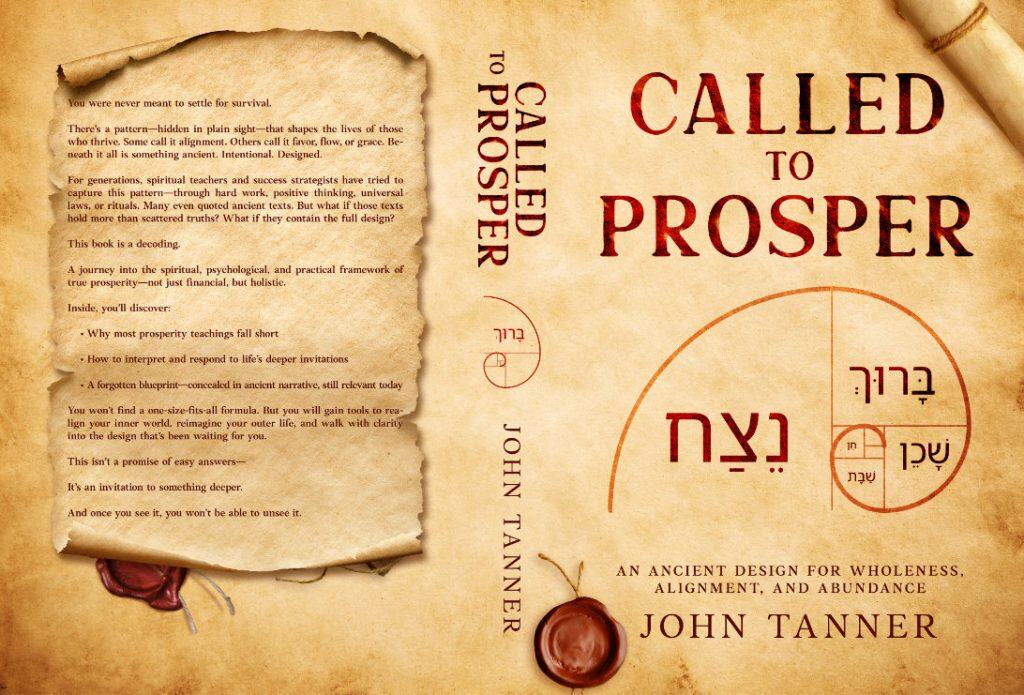
Called to Prosper began with a question: What does Scripture actually mean when it talks about prosperity?
That question led me into Israel’s journey from Egypt toward the Promised Land and, especially, the process between the two.
Why does preparation so often come before fulfillment? What role do our beliefs and choices play? What happens when circumstances appear to contradict where we thought we were headed? How do the different parts of life affect our ability to flourish?
Those questions became the foundation of Called to Prosper.
But the work did not end with the book.
Today, Called to Prosper has grown beyond the book into ideas, tools, coaching, and conversations designed to help people understand where they are, what may be shaping their experience, and how to live with greater intention and alignment.
One life. Many interconnected parts.
Called to Prosper looks across six broad areas of life:
Higher Self
Your beliefs, identity, purpose, spiritual life, growth, and inner formation.
Health
Your physical, mental, and emotional capacity and well-being.
Lifestyle
How you use your time, energy, attention, and resources in everyday life.
Financial
How you earn, use, steward, and experience money and material resources.
Relationships
Family, friendships, community, and the relationships that shape and are shaped by your life.
Professional
Work, leadership, contribution, vocation, and the responsibilities connected to them.
The point is not to make every area equal. It is to understand how they are working together.
Where are you now?
It is difficult to decide what needs attention when you do not yet have a clear picture of what is happening.
The Prosperity Alignment Assessment provides a structured way to look across the major areas of your life and consider your current experience, intentionality, alignment, readiness, and the season you may be in.
It can help surface strengths, tensions, patterns, and areas worth looking at more closely so you have a better starting point for understanding where you are now.
Currently available in beta.
Explore Called to Prosper in the way that is most useful to you.
Start with the books and ideas that form the foundation of Called to Prosper.
Use the Prosperity Alignment Assessment to get a clearer picture of where you are now.
Work through it
Coaching provides a more individualized way to understand what you are experiencing, discern what may need attention, and put what you are learning into practice.
Listen and explore
Teaching, conversations, and other media will continue bringing Called to Prosper ideas into real situations, questions, and experiences.
About John Tanner
John Tanner is the author of Called to Prosper and the creator of the broader Called to Prosper body of work.
Much of John’s work begins with the same observation: problems that look separate often are not.
A work decision can affect family, finances, health, purpose, and the responsibilities someone is carrying. A problem that appears behavioral may also involve beliefs, interpretation, circumstances, or the season someone is in.
His work focuses on understanding those connections before deciding what needs to change.
Called to Prosper applies that way of thinking to the whole person: understanding how God designed life to function, interpreting what is happening now, and helping people move forward with greater clarity, faith, and intentionality.
You do not have to understand everything at once.
Called to Prosper exists to help you see the whole picture more clearly, discern what matters, and move toward a life that is increasingly aligned with who God created you to be and what He has entrusted to you.